

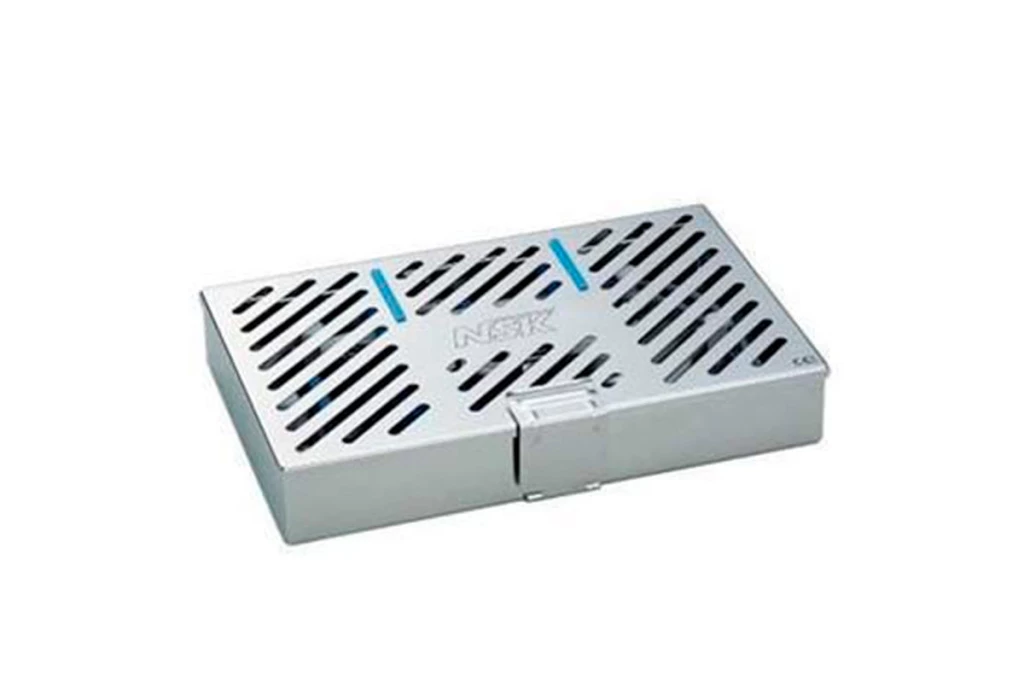



Sterilisationskassette für Handstück und Kabel
VonNSK
Code Z313102
Nicht verfügbar
Das Produkt, an dem Sie interessiert sind, ist derzeit nicht verfügbar. Gehen Sie in den Katalog, um eine große Auswahl ähnlicher Produkte zu finden
Nicht verfügbar
Das Produkt, an dem Sie interessiert sind, ist derzeit nicht verfügbar. Gehen Sie in den Katalog, um eine große Auswahl ähnlicher Produkte zu finden
Beschreibung
Sterilisationskassette für Ultraschallschirurgie-Handstück und Kabel Maße = Länge 28 cm / Breite 17,5 cm / Höhe 4,8 cm
In the dental industry, maintaining a sterile environment is crucial for patient safety and infection control. Sterilization cassettes for handpieces and cables play a vital role in this process. Below are some common characteristics that define these essential tools.
Durable Construction
Sterilization cassettes are typically made from high-quality materials that can withstand repeated sterilization cycles. Common materials include:
- Stainless Steel: Known for its corrosion resistance and durability.
- Polymer Plastics: Lightweight and resistant to chemicals, making them ideal for dental settings.
Efficient Design
The design of sterilization cassettes is optimized for efficiency. Key features include:
- Ventilation Holes: Allow steam or gas to circulate freely, ensuring thorough sterilization.
- Secure Locking Mechanism: Keeps instruments in place during the sterilization process, preventing damage.
Compatibility
These cassettes are designed to accommodate various handpieces and cables, ensuring versatility in dental practices. Compatibility features include:
- Adjustable Compartments: Allow customization for different instruments.
- Universal Sizing: Fit a wide range of handpieces and cables, reducing the need for multiple cassettes.
Ease of Use
Dental professionals appreciate cassettes that are user-friendly. Characteristics that enhance usability include:
- Lightweight Design: Facilitates easy handling and transportation.
- Clear Labeling: Helps in identifying contents quickly, streamlining workflow.
Transparency
Some sterilization cassettes feature transparent lids or sections, allowing for:
- Visual Inspection: Enables quick checks without opening the cassette.
- Monitoring Sterilization: Helps ensure that all instruments are accounted for post-sterilization.
Cost-Effectiveness
Investing in high-quality sterilization cassettes can lead to long-term savings for dental practices. Benefits include:
- Reduced Replacement Costs: Durable materials extend the life of the cassettes.
- Improved Efficiency: Streamlined sterilization processes save time and resources.
Compliance with Standards
Sterilization cassettes must meet specific regulatory standards to ensure safety and effectiveness. Key compliance aspects include:
- ISO Certification: Many cassettes are certified to meet international safety standards.
- FDA Approval: Ensures that the materials used are safe for medical applications.
Understanding these common characteristics of sterilization cassettes for handpieces and cables can help dental professionals make informed decisions, ensuring the highest standards of patient care and safety.
In the field of dentistry, maintaining a sterile environment is crucial for patient safety and infection control. One effective method to achieve this is through the use of sterilization cassettes for handpieces and cables. Below are the key indications for utilizing these cassettes in dental practices.
1. Infection Control
Infection control is paramount in dental settings. Sterilization cassettes provide a secure and efficient way to sterilize handpieces and cables, minimizing the risk of cross-contamination between patients.
Benefits of Infection Control
- Prevention of Disease Transmission: Proper sterilization reduces the chances of transmitting infectious diseases.
- Compliance with Regulations: Adhering to sterilization protocols helps dental practices comply with health regulations.
2. Protection of Instruments
Sterilization cassettes are designed to protect dental instruments during the sterilization process. They prevent damage and ensure that handpieces and cables remain in optimal condition.
Advantages of Instrument Protection
- Minimized Wear and Tear: Cassettes shield instruments from physical damage during sterilization.
- Organized Storage: Cassettes help keep instruments organized, making it easier to locate and use them when needed.
3. Efficiency in Sterilization Process
Using sterilization cassettes can streamline the sterilization process, making it more efficient for dental practices.
Efficiency Factors
- Time-Saving: Cassettes allow for simultaneous sterilization of multiple instruments, reducing overall processing time.
- Ease of Handling: Cassettes are easy to load and unload, facilitating a smoother workflow in the dental office.
4. Enhanced Sterilization Results
Sterilization cassettes can enhance the effectiveness of the sterilization process, ensuring that all surfaces of the instruments are adequately exposed to the sterilizing agent.
Improved Sterilization Outcomes
- Uniform Exposure: Cassettes promote even distribution of steam or chemical agents, leading to thorough sterilization.
- Reduced Risk of Contamination: Cassettes minimize the risk of recontamination after sterilization, ensuring instruments remain sterile until use.
5. Cost-Effectiveness
Investing in sterilization cassettes can be cost-effective for dental practices in the long run.
Cost-Effective Benefits
- Durability: High-quality cassettes are built to last, reducing the need for frequent replacements.
- Reduced Instrument Loss: Organized storage helps prevent loss or misplacement of expensive handpieces and cables.
6. Compliance with Best Practices
Utilizing sterilization cassettes aligns with best practices in dental hygiene and safety protocols.
Best Practice Compliance
- Standardization: Cassettes help standardize sterilization procedures across the practice.
- Training and Education: Cassettes simplify training for new staff on proper sterilization techniques.
In summary, the use of sterilization cassettes for handpieces and cables in dentistry is indicated for infection control, protection of instruments, efficiency in the sterilization process, enhanced sterilization results, cost-effectiveness, and compliance with best practices. These factors contribute to a safer and more efficient dental practice, ultimately benefiting both practitioners and patients.
In the dental practice, maintaining a sterile environment is crucial for patient safety and infection control. One effective method to achieve this is through the use of sterilization cassettes for handpieces and cables. These specialized cassettes offer numerous benefits that enhance the efficiency and safety of dental procedures.
Enhanced Sterilization
Sterilization cassettes are designed to hold dental handpieces and cables securely during the sterilization process. This ensures that every surface of the instruments is exposed to the sterilizing agent, whether it be steam, chemical, or dry heat. The enclosed design minimizes the risk of contamination from external sources.
Protection of Instruments
Using sterilization cassettes protects delicate dental instruments from damage during the sterilization process. The cassettes are constructed from durable materials that prevent scratches and other forms of wear and tear, prolonging the lifespan of expensive handpieces and cables.
Organized Storage
Sterilization cassettes provide an organized way to store dental instruments. Each cassette can hold multiple handpieces and cables, making it easy to keep track of sterilized items. This organization reduces the risk of misplacing instruments and ensures that everything is readily available when needed.
Time Efficiency
Using sterilization cassettes can significantly reduce the time spent on instrument preparation. With instruments securely held in place, dental staff can quickly load and unload cassettes into the sterilizer, streamlining the workflow in the practice.
Cost-Effectiveness
Investing in sterilization cassettes can lead to long-term cost savings. By protecting instruments from damage and extending their lifespan, dental practices can reduce the frequency of replacements. Additionally, efficient sterilization processes can minimize the risk of cross-contamination, potentially lowering liability costs associated with infection control.
Compliance with Regulations
Dental practices are required to adhere to strict infection control protocols. Using sterilization cassettes helps ensure compliance with these regulations, as they facilitate proper sterilization and storage of instruments. This not only protects patients but also safeguards the practice from potential legal issues.
Improved Patient Confidence
When patients see that a dental practice is committed to maintaining a sterile environment, it enhances their confidence in the care they receive. The use of sterilization cassettes demonstrates a commitment to infection control, which can lead to increased patient satisfaction and loyalty.
Ease of Use
Sterilization cassettes are designed for ease of use, allowing dental professionals to quickly and efficiently manage their instruments. Many cassettes come with features such as color-coded labels and clear visibility, making it easy to identify sterilized items at a glance.
- Durability: Made from high-quality materials that withstand repeated sterilization cycles.
- Versatility: Suitable for various types of handpieces and cables, accommodating different dental practices.
- Safety: Reduces the risk of accidental injuries during the handling of sharp instruments.
Incorporating sterilization cassettes into a dental practice not only enhances the sterilization process but also contributes to overall efficiency, safety, and patient satisfaction. By prioritizing infection control and instrument care, dental professionals can provide the highest standard of care to their patients.
Nicht verfügbar
Das Produkt, an dem Sie interessiert sind, ist derzeit nicht verfügbar. Gehen Sie in den Katalog, um eine große Auswahl ähnlicher Produkte zu finden